Denver Service Provider Services for Residential and also Commercial Projects
A successful build in Denver rarely comes down to one big decision. It comes down to hundreds of smaller ones made in the right order, by people who understand the city, the climate, the permit process, the subcontractor market, and the difference between work that looks good on day one and work that holds up after five freeze-thaw cycles.
That is why choosing the right Denver contractor services matters. Whether you are remodeling a home in Washington Park, building out a retail space in RiNo, improving a multifamily property near Sloan’s Lake, or planning tenant improvements in the Denver Tech Center, the contractor you hire becomes the point where budget, schedule, design, labor, materials, and inspections all meet.
A good contractor does more than “manage the job.” The right Denver General Contractor protects your investment before demolition starts, during every rough-in inspection, and long after the final walkthrough. That kind of leadership is what separates a stressful project from a controlled one.
What Denver Projects Demand From a Contractor
Denver construction has its own personality. The sun is intense, the temperature can swing hard in a single day, older neighborhoods hide surprises behind plaster walls, and commercial districts often come with tight access, limited parking, and strict coordination requirements. A contractor who has only worked in mild climates or wide-open suburban sites can get caught off guard here.
Residential projects in Denver often involve houses built across several eras. You might find a 1920s bungalow with aging knob-and-tube remnants, a midcentury ranch with undersized service, or a newer infill home with strict drainage requirements. Commercial properties bring a different set of problems: fire-rated assemblies, ADA paths of travel, rooftop equipment, occupancy classifications, after-hours work, and coordination with landlords or property managers.
This is where experienced general contractors Denver property owners can rely on make a measurable difference. They know when a wall might be carrying more than expected. They know why a flat roof detail needs extra attention after a heavy spring snow. They know how to read between the lines of a plan set and ask the architect the right question before framing begins.
The best Contractors in Denver are not guessing their way through the project. They are sequencing it.
Residential Contractor Services That Protect the Homeowner
Home construction and remodeling feel personal because they are personal. You are not just approving line items. You are living with noise, dust, temporary decisions, and the hope that the finished space will match the picture in your head. When the contractor fails to communicate, a home project becomes exhausting fast.
A strong Contractor Denver CO homeowners trust starts by slowing down at the beginning. That may sound counterintuitive when everyone is eager to start, but early planning saves weeks later. Before demolition, the contractor should clarify scope, identify likely hidden conditions, discuss allowances honestly, and explain which decisions must be made before ordering windows, cabinets, fixtures, tile, or mechanical equipment.
On a kitchen remodel, for example, a homeowner may focus on cabinet color and countertops. Those details matter, but the contractor is also thinking about electrical load, venting path, floor leveling, appliance lead times, plumbing wall locations, and how long the family will be without a working sink. In a basement finish, the visible work is drywall, paint, flooring, and trim. The lasting value is often in proper moisture management, egress compliance, insulation, lighting layout, and clean mechanical access.
Denver homes also face real climate demands. Exterior doors and windows need proper flashing. Deck framing should be detailed for snow, sun exposure, and drainage. Concrete flatwork needs attention to base preparation and control joints. Paint products should be selected with altitude and UV exposure in mind. A low bid that ignores these details can look attractive for a few months, then become expensive when materials fail early.
That is why residential Denver Contractors Services should not be judged by price alone. Price matters, but clarity matters more. A thorough proposal should make you feel more informed, not more confused.
Commercial Contractor Services Require a Different Kind of Discipline
Commercial work has less tolerance for vague planning. If a retail store misses its opening date, revenue is affected. If a medical office build-out fails an inspection, scheduling, staffing, equipment installation, and patient appointments can all be disrupted. If a restaurant project overlooks grease interceptor requirements or hood coordination, the cost of correction can be severe.
Commercial Contracting Services Denver businesses need usually involve more stakeholders than residential work. The owner, architect, engineer, landlord, tenant, building department, fire inspector, utility provider, vendors, and sometimes neighboring tenants all have a role. The contractor becomes the person responsible for turning that complexity into a workable sequence.
Experienced Building Contractors Denver business owners hire will look closely at site access, work hours, material staging, noise control, temporary protection, utility shutdowns, and inspection milestones. In an occupied building, the work may need to happen in phases so employees, tenants, or customers can keep using the space. In a restaurant or retail setting, deliveries might need to be scheduled early in the morning. In an office remodel, the contractor may need to isolate dust, maintain egress, and coordinate above-ceiling work around active systems.
Good commercial construction feels almost uneventful from the outside. That is the point. The fewer surprises the owner sees, the more work the contractor is doing behind the scenes.
The Value of a True General Contractor
Some people use the term contractor loosely. They may mean a carpenter, a remodeler, a handyman, a trade specialist, or a project manager. A true general contractor carries a broader responsibility. The general contractor coordinates the work, manages subcontractors, controls the schedule, communicates with the owner, helps resolve design conflicts, watches the budget, and keeps the project moving through inspections.
Denver General Construction Contractors also understand how one trade affects another. A plumber moving a drain line may affect floor framing. An HVAC duct route may interfere with recessed lighting. A framing change may affect drywall quantities, insulation, and finish trim. If no one is managing those intersections, problems surface late, when they are more expensive to fix.
This is especially important on projects that involve both structural and finish work. A room addition, pop-top, tenant improvement, structural repair, or full interior renovation needs coordination from start to finish. Hiring separate trades without a qualified general contractor can work for very small scopes, but once the project involves several trades and inspections, the risk rises quickly.
A reliable General Contractor Denver property owners can trust acts as the central point of accountability. That does not mean every condition can be predicted. It means the contractor has a process for dealing with conditions when they appear.
What a Well-Run Project Looks Like
When a construction project is managed well, it has a rhythm. The owner knows what decisions are needed and when. Subcontractors show up in the right order. Materials arrive before they are needed, not three weeks after. Inspections are scheduled with enough lead time. Change orders are documented before the work proceeds. The site stays reasonably clean, because cleanliness is not cosmetic, it affects safety and efficiency.
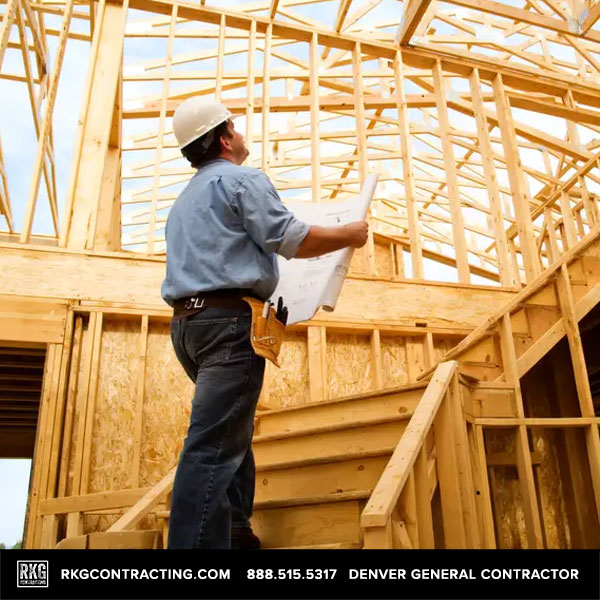
A persuasive sales pitch is easy. Consistent execution is harder. Before hiring Contractors Denver property owners should ask about the contractor’s process, not just their portfolio. Beautiful finished photos matter, but they do not reveal whether the project stayed on budget, whether communication was clear, or whether problems were handled professionally.
Here are five signs that you are speaking with a contractor who takes the work seriously:
- They ask detailed questions before giving a number, because they know vague scope leads to vague pricing.
- They explain likely risks, such as hidden damage, permit timing, utility constraints, or long-lead materials.
- They provide a written proposal that defines what is included and what is excluded.
- They communicate how scheduling, payments, changes, and selections will be handled.
- They are willing to say when something is not advisable, even if it would be easier to simply agree.
Those traits may not feel flashy, but they are the foundation of a successful build.
Budget Honesty Beats Budget Fantasy
Every owner wants a fair price. No one wants to overpay. The challenge is that construction pricing is not just a number, it is a reflection of scope, labor quality, material assumptions, risk, schedule pressure, and management effort.
Two proposals can describe the same project in general terms and still be thousands of dollars apart because they are not actually pricing the same work. One proposal may include permit coordination, protection, hauling, patching, utility adjustments, and finish details. Another may leave those items vague or exclude them altogether. The lower number may win the job, then grow through change orders once construction starts.
Good Colorado General Contractors are not afraid to talk about budget early. They should help owners understand where money is going and where choices can be adjusted. On a residential remodel, that might mean explaining the price difference between moving plumbing and keeping fixtures in place. On a commercial build-out, it may involve evaluating whether existing mechanical capacity can support the new use or whether upgrades are required.
Allowances deserve special attention. An allowance is not bad by itself. It can be useful when final selections are not complete. But allowances must be realistic. A tile allowance that assumes bargain material will create a problem if the owner expects handmade tile. A lighting allowance that ignores commercial fixture requirements will distort the budget. A responsible Denver General Contractor will either help set reasonable allowances or push for selections before final pricing.
The goal is not to make a project cheap on paper. The goal is to make it financially predictable.
Permits, Codes, and Inspections in Denver
Permitting is one of the places where inexperienced contractors lose time. Denver’s requirements can vary by project type, building age, zoning, use, historic considerations, and scope. Some work that appears simple may trigger additional review. Commercial projects may involve building, fire, mechanical, electrical, plumbing, health, zoning, and accessibility requirements depending on the use.
A seasoned contractor does not treat permitting as an afterthought. They review the project for likely code issues early and coordinate with design professionals when needed. They also understand that inspections are not just hurdles. Inspections protect the owner by verifying that concealed work meets minimum standards before it is covered.
For homeowners, this can feel frustrating when a project seems to pause for inspection. For businesses, inspection timing can affect opening dates. But skipping permits or hoping unpermitted work goes unnoticed is risky. It can create problems during resale, insurance claims, tenant turnover, or future renovations.
Contractors in Colorado who take their license, reputation, and client relationships seriously do not build their business around shortcuts. They build it around work that can stand up to review.
Residential and Commercial Projects Share One Core Need
At first glance, a home remodel and a commercial tenant improvement seem completely different. One involves personal comfort and family routines. The other involves operations, compliance, and revenue. Yet both depend on the same core need: trust in the contractor’s judgment.
Owners do not hire General Contracting Firms Denver has to offer because they want more meetings. They hire them because they need someone to turn complexity into progress. They need someone who can look at drawings, site conditions, subcontractor input, and budget constraints, then recommend a practical path forward.
That kind of judgment often shows up in small moments. A contractor notices that the specified flooring may not tolerate the moisture conditions in a basement. They flag that a proposed ceiling design will create access problems for commercial mechanical equipment. They recommend ordering windows early because lead times are unpredictable. They advise against starting demolition before the permit is ready because a partially opened building can become a liability.
These decisions rarely make for dramatic stories, but they prevent dramatic problems.
Why Local Experience Matters in Denver
There is no substitute for local experience. Denver has unique construction pressures, from high demand for skilled trades to weather windows that can affect exterior work. A contractor who knows the local subcontractor network can often assemble the right team faster and judge whether a schedule is realistic. A contractor familiar with Denver neighborhoods can anticipate common building conditions and logistical constraints.
For example, working in an older central Denver neighborhood may mean narrow lots, limited staging, alley access, mature trees, and neighbors close enough to hear every saw cut. A suburban commercial project may offer better staging but come with strict landlord rules and coordinated shutdowns. A mountain-adjacent property may require different planning for snow, drainage, access, and material delivery.
Local knowledge also helps with communication. Established Colorado Contractors understand how local inspectors tend to review certain details, which plan comments commonly arise, and where extra documentation may be needed. That does not mean anyone can guarantee an approval date, but it does mean the contractor can reduce avoidable delays.
When evaluating Denver Contractors RKG Contracting or any other local firm, look for proof that they understand both the craft and the place. Denver is not a generic market. Your contractor should not treat it like one.
RKG Contracting and the Standard Owners Should Expect
A contractor’s name only matters if it stands for consistent execution. RKG Contracting General Contractors Denver clients consider for residential and commercial work should be evaluated the same way any serious contractor should be evaluated: by the clarity of their process, the quality of their communication, the realism of their pricing, and the professionalism of their jobsite management.
RKG Contracting operates in a market where owners have options. That is a good thing. It pushes contractors to be sharper, more transparent, and more accountable. For an owner, the best fit is not always the biggest firm or the cheapest firm. It is the firm that understands the scope, communicates honestly, and has the right systems for the project size.
If you are comparing RKG Contracting with other Denver General Contractors, pay attention to how each contractor handles the first conversation. Do they listen carefully, or do they rush to sell? Do they explain what they need in order to price accurately? Do they discuss schedule constraints and unknowns? Do they help you understand the next step?
A serious contractor will not promise perfection. Construction includes hidden conditions, weather, supply issues, inspection timing, and design revisions. What a serious contractor can promise is diligence, documentation, communication, and a practical plan for solving problems.
The First Walkthrough Tells You a Lot
The first walkthrough is more than a casual visit. It is where an experienced contractor starts building the project in their head. They look at access, existing conditions, utilities, structure, finishes, protection needs, and the relationship between the proposed design and the physical space.
On a residential project, a contractor might notice that the electrical panel is already full, the floors are out of level, or a load-bearing wall needs engineering before https://finnwnyo636.raidersfanteamshop.com/exactly-how-overall-contracting-firms-in-denver-assist-streamline-building-projects removal. On a commercial project, they may ask about occupancy, fire sprinklers, restroom counts, rooftop equipment, grease waste, or after-hours access. These questions are not obstacles. They are signs of competence.
Owners sometimes worry that detailed questions mean higher costs. Often the opposite is true. The contractor who notices issues early can price them properly, plan around them, or suggest alternatives. The contractor who overlooks them may appear cheaper until the project is underway.
That is why General Contract Services Denver CO owners seek should begin with investigation, not guesswork.
Communication Is a Construction Skill
Many project problems are communication problems wearing a hard hat. The work itself may be manageable, but unclear communication turns manageable issues into conflict.
A good contractor explains what is happening without burying the owner in unnecessary detail. They document changes, respond in a reasonable timeframe, and make sure the owner understands the cost and schedule effect of decisions. They also communicate clearly with subcontractors, because even a strong plan fails if the people doing the work are operating from outdated information.

For residential owners, communication reduces anxiety. Knowing when demolition starts, when cabinets arrive, when plumbing will be shut off, and when decisions are due makes the process livable. For commercial owners, communication protects operations. A business needs to know when inspections are scheduled, when utilities may be interrupted, and when vendors can install equipment.
Contracting Services Denver owners choose should include this level of coordination as part of the work, not as a bonus. If a contractor treats communication as an inconvenience during the sales process, it rarely improves once the job begins.
Quality Is Built Before Finishes Go On
Many people judge quality by the final surfaces: paint lines, tile layout, cabinet fit, trim details, flooring transitions. Those items matter. Good finish work is visible proof of care. But long-term quality begins much earlier.
Framing must be straight enough for cabinets, doors, and tile to install correctly. Subfloors must be prepared for the flooring selected. Waterproofing must happen before tile. Flashing must happen before siding. Ductwork must be sized and routed before drywall. Electrical placement must be coordinated before insulation. Each phase creates the conditions for the next.
That is why the cheapest shortcut often hides behind a finished surface. You may not see poor waterproofing in a shower for a year. You may not notice inadequate ventilation until comfort issues appear. You may not discover sloppy exterior detailing until water finds its way inside.
Responsible Denver General Construction Contractors inspect the work as it progresses. They do not rely on the final walkthrough to find problems that should have been corrected weeks earlier.
When a Smaller Contractor Makes Sense, and When It Does Not
Not every project needs a large team. A smaller contractor can be a great fit for a focused remodel, a repair project, or a limited build-out where the scope is clear and the number of trades is manageable. Smaller firms can be responsive, personal, and efficient.
Larger or more complex projects usually need more management capacity. If a project involves structural changes, multiple permits, several trades, tight deadlines, occupied spaces, or commercial compliance issues, the contractor must have the bandwidth to coordinate everything. A talented craftsperson working alone may not be the right fit if the project requires daily scheduling, submittals, inspections, owner meetings, and trade coordination.
The best Contractors in Colorado are honest about fit. They do not chase every job. They understand their capacity and project type. Owners should do the same. Hiring a contractor who is too small for the project can create delays. Hiring a firm that is too large for a small job can make the process feel expensive and impersonal. The right match matters.
Red Flags Worth Taking Seriously
Most owners sense when something feels off, but construction can be unfamiliar enough that they ignore the warning signs. Do not. A contractor relationship requires trust, and trust should be earned before the contract is signed.
Watch carefully for these red flags:
- A price that is far lower than comparable bids without a clear explanation.
- Pressure to start immediately before scope, permits, or selections are defined.
- Vague answers about licensing, insurance, subcontractors, or change orders.
- Reluctance to put details in writing.
- Poor communication before the job begins.
One red flag does not always mean disaster, but it should prompt more questions. A contractor who cannot explain their process clearly at the beginning is unlikely to become more organized under pressure.
How Owners Can Set the Project Up for Success
The contractor carries a major responsibility, but owners influence outcomes too. The best projects happen when the owner is engaged, decisive, and realistic. That does not mean the owner needs construction expertise. It means they need to make timely selections, review documents carefully, communicate priorities, and understand that changes have consequences.
Changing a paint color late may be simple. Changing a wall location after rough-in can affect framing, electrical, plumbing, drywall, flooring, and inspections. Upgrading a fixture may require different blocking, wiring, plumbing, or lead time. Moving slowly on selections can stall the schedule, especially when materials are not stocked locally.
A good General Contractor Denver team will guide the owner through these decisions. Still, the owner’s responsiveness matters. Construction is a chain of dependencies. When one decision stops, the chain tightens.
The most productive owner-contractor relationships are direct and respectful. If budget is the priority, say so. If schedule matters most, make that clear early. If a particular finish detail is important, identify it before installation. Contractors can solve many problems, but they cannot read minds.
The Real Cost of Hiring the Wrong Contractor
Hiring the wrong contractor can cost more than money. It can cost time, confidence, business revenue, tenant satisfaction, and peace at home. Poor workmanship may require demolition and rework. Missed inspections can delay occupancy. Unclear change orders can create disputes. Bad scheduling can stretch a two-month project into five.
The most painful cases often start with a bid that looked too good to pass up. The owner thought they were saving money, then paid for corrections, delays, and frustration. In construction, the lowest upfront price can become the highest final cost if it leaves out necessary scope or relies on unrealistic assumptions.
That does not mean the highest bid is always best. It means the best value usually comes from the most complete understanding of the project. Compare scope. Compare communication. Compare schedule logic. Compare how the contractor handles risk. A good proposal should make the path forward clearer.
Denver Contractor Services Should Feel Organized From Day One
Whether you are planning residential construction, a commercial renovation, tenant improvements, structural modifications, exterior upgrades, or a full interior remodel, the contractor you choose will shape the experience. The right partner brings order to complexity. They know when to push, when to pause, when to ask for clarification, and when to protect the owner from a decision that may cause trouble later.
Denver Contractor Services are not interchangeable. Some contractors are strong in residential work but not suited for commercial compliance. Some excel at fast tenant improvements but may not be the best fit for a highly personal home remodel. Some are skilled builders but weak communicators. The best choice is the contractor whose strengths match your project’s demands.
If you are searching for Colorado General Contractors, General Contracting Services Denver providers, or a dependable Denver General Contractor, start with the fundamentals. Look for local experience, clear pricing, strong communication, proper documentation, and a record of managing projects similar to yours. Ask hard questions. Expect direct answers. Do not confuse a quick estimate with a real plan.
A well-built project changes how a space works, feels, and performs. For a homeowner, that may mean a kitchen where the family naturally gathers, a basement that finally feels like part of the home, or an addition that looks like it belonged there from the start. For a business, it may mean a space that opens on schedule, supports employees, welcomes customers, and meets code without drama.
That result does not happen by accident. It happens when skilled planning meets skilled hands, and when the contractor leading the work understands Denver construction from the ground up.
RKG Contracting
575 E 49th Ave, Denver, CO 80216
Phone (720) 477-4757
Find us on https://www.youtube.com/@RKGcontracting
https://www.axios.com/results?q=https://heavyhanded.la/&sort=1